











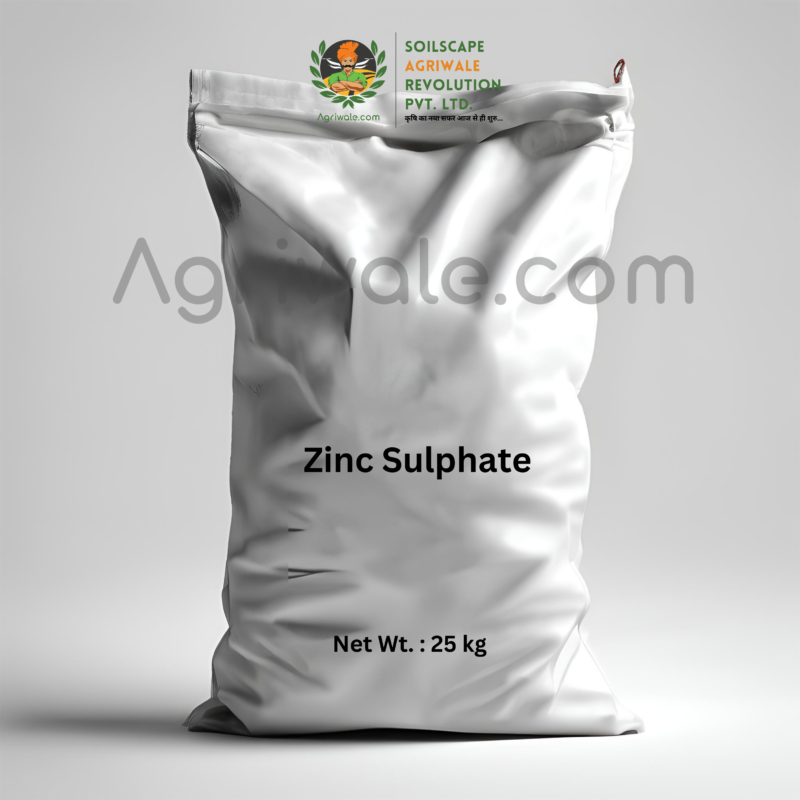
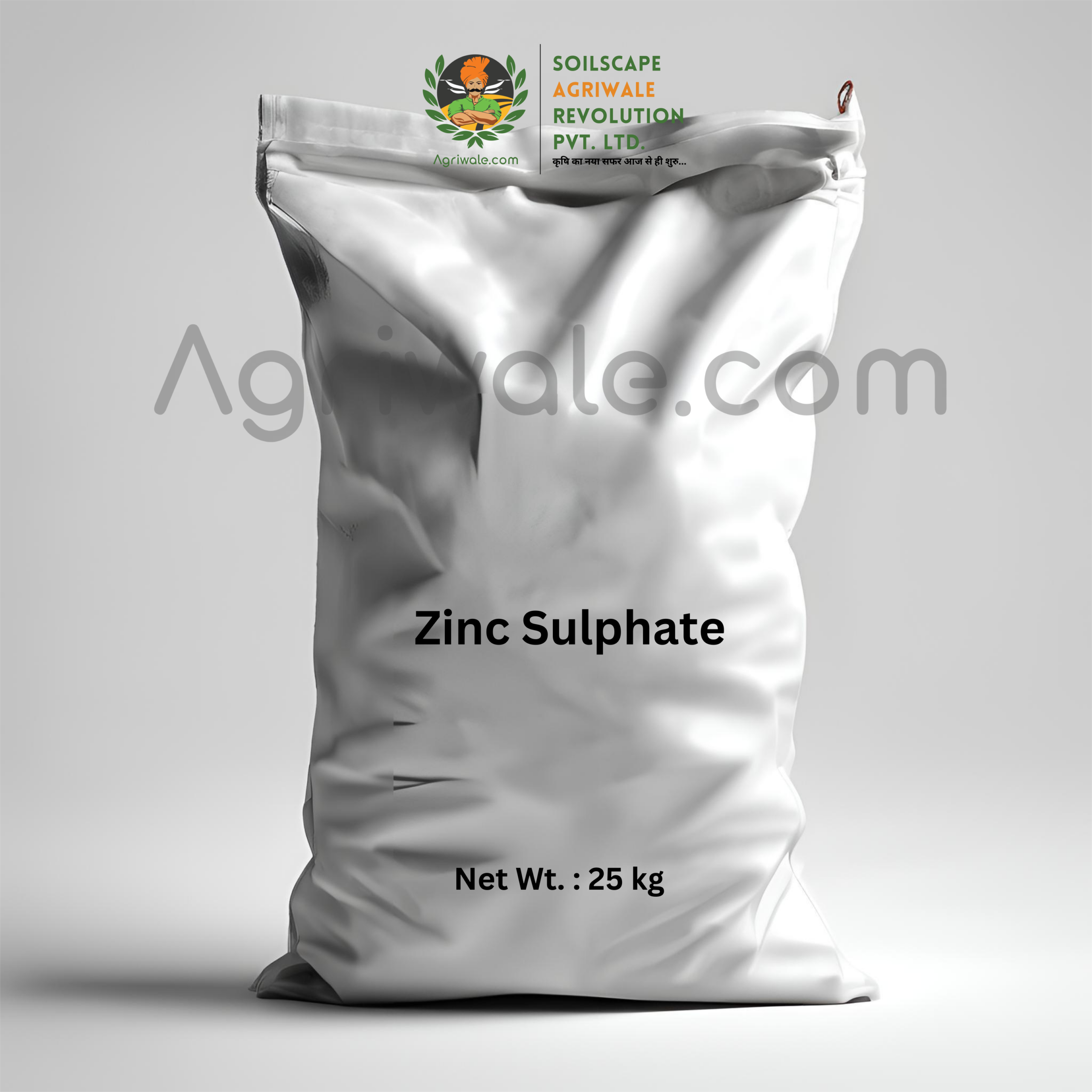
Zinc Sulphate Monohydrate 33%
Zinc Sulphate Monohydrate 33% is a concentrated, water-soluble zinc fertilizer that corrects zinc deficiency in crops quickly and reliably. As the most widely used source of zinc in Indian agriculture, it has a proven track record across all major crop types and soil conditions, giving farmers an affordable and effective solution to one of the most common micronutrient problems on Indian farms.
Why Plants Need Zinc Sulphate Monohydrate 33%
Zinc is an essential micronutrient involved in a large number of enzyme reactions inside the plant, including those responsible for protein synthesis, hormone production, and carbohydrate metabolism. It also plays a key role in chlorophyll production and photosynthesis, and is directly involved in pollen germination, flower formation, and seed development. When zinc is deficient, farmers notice pale yellow leaves between the veins of young leaves, stunted and slow plant growth, delayed flowering, poor grain or fruit development, and significantly reduced final yield — all problems that correct quickly with timely Zinc Sulphate Monohydrate 33% application.
How Zinc Sulphate Monohydrate 33% Works
Once dissolved in water and applied through foliar spray, drip irrigation, or soil incorporation, Zinc Sulphate Monohydrate 33% releases zinc ions directly into the root zone or onto the leaf surface for immediate plant uptake. In the soil, zinc moves into the root zone and is absorbed by root hairs, while foliar application delivers zinc directly through the leaf surface for faster results where deficiency symptoms are already visible. Because this product also contains sulphate, it provides a secondary sulphur benefit to crops that also respond well to sulphur nutrition, making it a dual-nutrient input in a single, easy application.
Signs of Zinc Deficiency to Watch For
Zinc deficiency often appears on young, newly emerged leaves first — showing as interveinal chlorosis where the leaf turns pale yellow or white between the veins while the veins remain green. In severe cases, leaves become small and distorted, internodes shorten, and the crop takes on a stunted, bushy appearance known as “little leaf” or “rosette” in some crops. Paddy farmers commonly see “khaira disease” — a classic zinc deficiency condition that is fully preventable and correctable with timely Zinc Sulphate Monohydrate 33% application. In fruit crops, zinc deficiency typically shows up as small, pale, and deformed leaves near the shoot tips, along with poor fruit set and low yield even when other major nutrients are adequate.
Key Benefits of Zinc Sulphate Monohydrate 33%
- Corrects zinc deficiency and interveinal chlorosis quickly
- Improves leaf color and overall plant health
- Boosts seed and grain formation for better yield
- Supports better flowering, pollination, and fruit development
- Also provides sulphur — a secondary nutritional benefit
- 100% water-soluble, easy to mix and apply through any method
- Cost-effective option for large-scale micronutrient correction
When to Apply
- Early Growth Stage — to prevent zinc deficiency from limiting early development
- Before Flowering — to support strong flower and seed formation
- Grain Filling Stage — to improve yield and grain quality
Better Results With Complete Nutrition
Zinc works best when the overall soil health and nutrient program is strong. Many farmers combine Zinc Sulphate Monohydrate 33% with Humic Acid 98% Flakes to improve zinc availability and root uptake in the soil, and Fulvic Acid 80% to speed up zinc transport directly into plant cells for faster visible results after application.
Storage Instructions
Store Zinc Sulphate Monohydrate 33% in a cool, dry place away from direct sunlight and moisture. Keep the container tightly sealed after every use and out of reach of children and animals.


Reviews
Clear filtersThere are no reviews yet.